R2F - Norwegian Living Lab

Led by KVANN - Norwegian Seed Savers

Site description

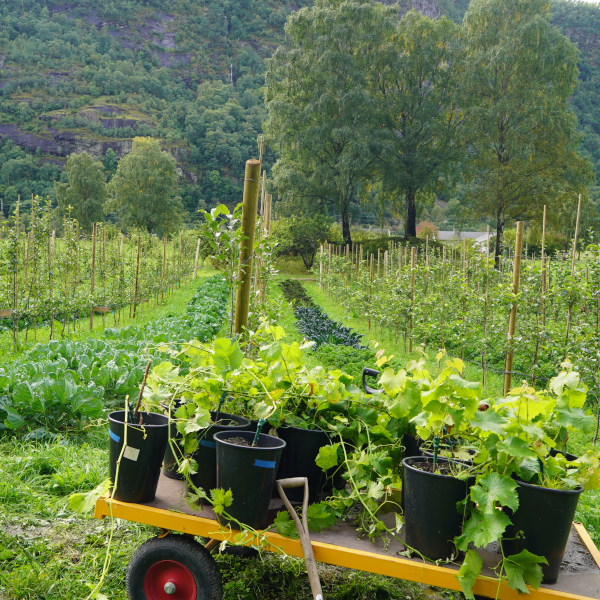
The Norwegian Living Lab (NO-LL) is situated at the Vinjane orchard in the Aurland municipality, Western Norway, managed directly by Sogn Jord- og Hagebruksskule (SJH).

The Vinjane orchard is a certified organic demonstration and research orchard, operating as a multi-strata agroforestry and perennial living lab within the KVANN / SJH partnership. It lies on an elevated hillside terrace , on the mountain slope above the Aurlandsfjord. Unlike the alluvial valley floor, the site is bordered directly by native forest edges and steep terrain. The cultivated area consists of established organic apple rows integrated into terraced, sloping terrain rather than flat arable land.

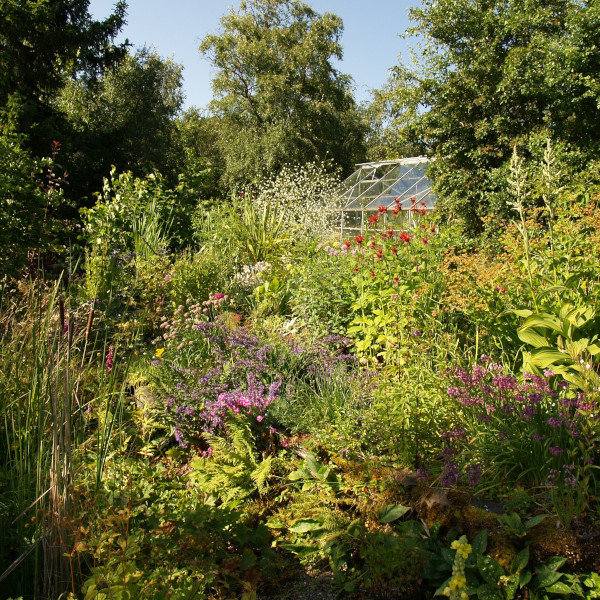
Key challenges include high humidity and persistent rainfall creating elevated fungal pathogen pressure (such as apple scab); seasonal mountain shading that shortens the daily solar window; and steep valley margins that prevent heavy mechanization, requiring labor-efficient small-scale practices. Main opportunities arise from fjord-moderated microclimates suitable for temperate tree fruit (apples, plums) and cold-hardy perennial polycultures; decades of established organic soil management, deep compost fertility, and biological diversity; and institutional capacity with on-site agronomists, practical students, and research plots.

Living Lab description continues below the banner

Key local stakeholders

  • Academic and site management: Sogn Jord- og Hagebruksskule (SJH) — vocational agronomy teachers, horticultural managers, technical staff, and agronomy students/apprentices who execute daily trials.
  • Civil society: KVANN (Norwegian Seed Savers) — project coordinator for the Norwegian living lab, seed savers, and agroforestry working groups.
  • Growers and practitioners: Regional commercial organic fruit and vegetable growers in Sogn, members of the Norwegian agroforestry network, and market gardeners.
  • Local authorities and public bodies: Aurland Municipality and Vestland County Council (school owner).
  • Culinary and value-chain actors: SJH educational kitchen and canteen, the on-site farm shop and local restaurant chefs testing the culinary utilization of harvested perennial vegetables and understory crops.
  • Advisory and research organisations: Agricultural advisors (Norsk Landbruksrådgiving / NLR), national agricultural bodies (Norges Vel, NIBIO)

Co-creation process

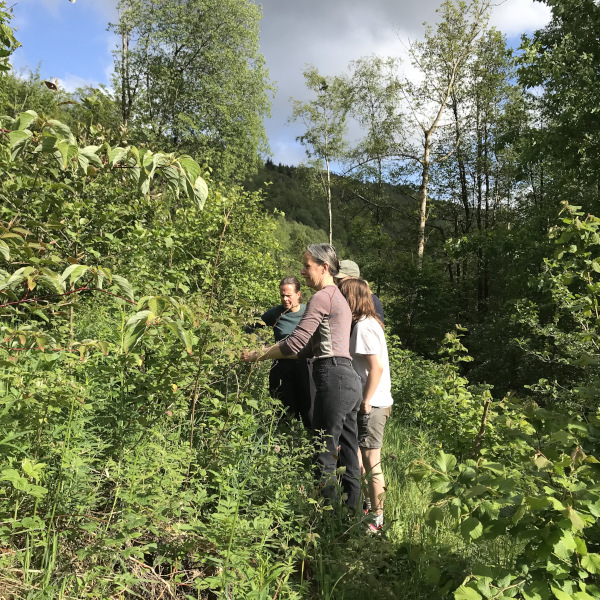
Co-creation through multi-actor participatory activities bringing together researchers, teachers, students, producers, chefs and consumers:

  • Participatory trial design: Experimental layouts are jointly designed by KVANN experts on food forest systems, SJH farm managers, and regional fruit growers to address real-world farm labor bottlenecks and soil cover requirements.
  • Iterative workshops and field evaluations: SJH hosts regular grower field days and practical workshops where local farmers and seed savers actively evaluate weed suppression, planting density, crop vigor, and establishment costs.
  • Fork-Level Kitchen Integration: Co-creation extends to consumption by supplying trial yields (perennial greens, herbs, berries) directly to the SJH institutional kitchen and local culinary partners. Chefs and kitchen staff assess taste, preparation ease, post-harvest shelf life, and diner reception, delivering direct feedback that dictates which perennial cultivars remain in the agricultural trial pipeline.